The Thrill of Chance
At the heart of casino games lies the intoxicating thrill of chance. Gamblers are irresistibly drawn to the unpredictable nature of these games, where each spin of the roulette wheel or shuffle of the cards can lead to exhilarating wins or heart-wrenching losses. This element of uncertainty triggers a psychological response known as variable reinforcement, which magnifies the excitement of gambling. Players often seek environments that promote their experience, such as a fast withdrawal casino canada , and find themselves in a perpetual state of anticipation, eagerly awaiting the next outcome that could potentially alter their fortunes dramatically.

The psychological lure of chance is further intensified by the concept of near misses. Research indicates that players often react more strongly to near misses than to outright losses. For instance, if a player is merely one number away from hitting the jackpot, the brain releases dopamine, inducing a sense of satisfaction that encourages continued play. This phenomenon keeps players engaged, often leading them to overlook their losses while focusing on the thrill of future potential wins. This psychological mechanism can create a compelling urge to keep playing, as players feel they are always on the brink of a significant victory.
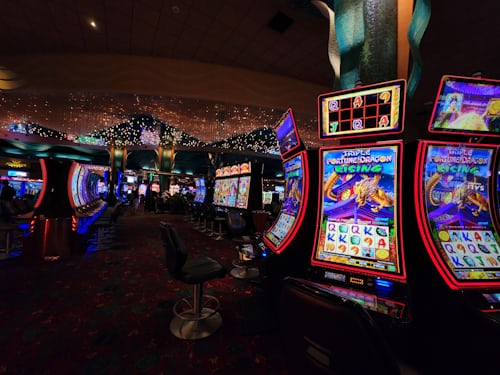
Moreover, the casino environment is meticulously crafted to amplify this thrill. Bright lights, loud sounds, and vibrant colors all contribute to an atmosphere that heightens emotional responses. The strategic placement of games, along with enticing visual cues, ensures that players remain captivated by the allure of instant gratification. This orchestrated experience taps into deep-seated psychological urges, making the gambling experience not just entertaining but also habit-forming. The sensory overload can create a sense of escapism, drawing players deeper into the gaming experience and away from their everyday lives.
The Role of Social Interaction
Social interaction plays a pivotal role in the experience of casino gaming. Many players thrive in the communal atmosphere of casinos, where they can share their experiences with others, celebrate victories, or commiserate over losses. This social aspect enhances the appeal of gambling, as it fosters a sense of belonging and camaraderie among players. The shared excitement during high-stakes moments can amplify the overall thrill of the game, effectively increasing the attractiveness of gambling and encouraging players to return for more.
Additionally, observing the behavior of fellow gamblers can significantly influence individual gambling choices. Players often look to others for cues on how to react, whether they should adopt a more conservative approach or take risks. This social proof can lead to a phenomenon known as “groupthink,” wherein individuals make decisions based on the collective behavior of the group, even if those decisions contradict their better judgment. This can escalate gambling behavior, leading to larger losses over time as players feel pressured to conform to the group’s dynamics.
Furthermore, many casino games are designed to be played in groups, such as poker or blackjack, where players compete against each other rather than the house. This competitive atmosphere can be hard to resist, as the joy of winning against another player can feel more intoxicating than simply beating the house. This psychological dimension reinforces the importance of social interaction in gambling, as players relish the opportunity to showcase their skills and outsmart their opponents. The thrill of competition can create a bond among players, encouraging them to return to the casino to engage in this social and competitive experience.
The Illusion of Control
One of the most intriguing psychological aspects of gambling is the illusion of control. Players often harbor the belief that they can influence the outcome of games, particularly those that involve some level of skill, such as poker or blackjack. This belief can lead to a heightened sense of confidence, prompting players to take more significant risks. The illusion of control is not merely a cognitive bias; it is deeply embedded in human nature, where individuals seek to exert influence over uncertain outcomes in their lives.
This phenomenon is particularly evident in games that require decision-making, where players might feel that their strategies can enhance their chances of winning. For example, a poker player may convince themselves that their ability to read opponents makes them more likely to win, despite the underlying odds. This mindset can result in overconfidence and reckless behavior, leading to greater losses over time. The harsh realization that skill levels may have less impact than anticipated often becomes a painful truth when faced with the probabilities inherent in these games.
Moreover, the casino industry effectively capitalizes on this illusion through various design elements. For instance, slot machines are cleverly engineered to create a sense of engagement, allowing players to choose the number of lines to play or the bet amount. This decision-making aspect provides players with a false sense of agency, even though the outcomes remain entirely random. Such design elements exploit the human desire for control, effectively encouraging longer play sessions and increasing the likelihood of players spending more money in pursuit of a win.
The Emotional Rollercoaster
The emotional experience of gambling is characterized by a complex interplay between highs and lows. Winning can produce a rush of euphoria; however, losses often evoke feelings of disappointment and frustration. This emotional rollercoaster is a key driver of gambling behavior, as players strive to recapture the high associated with winning. Such highs can lead to what psychologists refer to as “loss chasing,” a phenomenon where players continue to gamble in hopes of recovering their losses, even when it may not be financially or emotionally prudent to do so.
This emotional volatility is often exacerbated by cognitive biases that influence decision-making. For example, the sunk cost fallacy frequently comes into play, where individuals feel compelled to continue gambling after incurring losses instead of cutting their losses to make better choices. The desire to avoid feelings of regret or shame can lead gamblers to make irrational decisions, reinforcing a cycle of gambling behavior that can be difficult to escape. This emotional entanglement highlights the need for players to recognize their feelings and motivations while gambling.
Furthermore, the casino environment enhances this emotional experience through the use of rewards and incentives. Players often receive bonuses, complimentary drinks, or other perks that foster a sense of loyalty and attachment to the gaming experience. These benefits amplify emotions, blurring the lines between enjoyment and compulsion. Understanding this emotional dimension is crucial for grasping the psychological dynamics of gambling, as it reveals how deeply human emotions influence financial behavior and decision-making in the context of gaming.
Insights into Gambling Behavior
To truly understand the psychological mechanisms at play in casino games, it is essential to consider the broader context of gambling behavior. Research into behavioral economics and psychology offers valuable insights into how people engage with these games. The concept of “gambling addiction” underscores the potent combination of psychological factors, environmental triggers, and emotional responses that can lead to compulsive gambling behaviors. Exploring these dimensions is critical in promoting healthier gambling practices and encouraging responsible play among individuals.
Educational initiatives within casinos aim to inform players about the risks associated with gambling. By fostering greater awareness, casinos can encourage players to recognize their patterns and make informed decisions. Additionally, support systems such as self-exclusion programs and gambling hotlines are crucial in providing assistance to those who may be struggling with addiction. These approaches are essential in creating a safer gambling environment, promoting moderation, and reducing the negative consequences associated with gambling-related issues.
Moreover, the emergence of online platforms has revolutionized the gambling experience, introducing new psychological considerations. Gamblers now face the challenge of navigating a landscape filled with instant access and often aggressive marketing strategies. This shift has significant implications for self-control and impulsivity, as the convenience of online gambling can lead to increased risks of overindulgence. Understanding the psychological impact of these changes is vital for industry stakeholders and players alike to foster a healthier and more responsible engagement with gambling.